

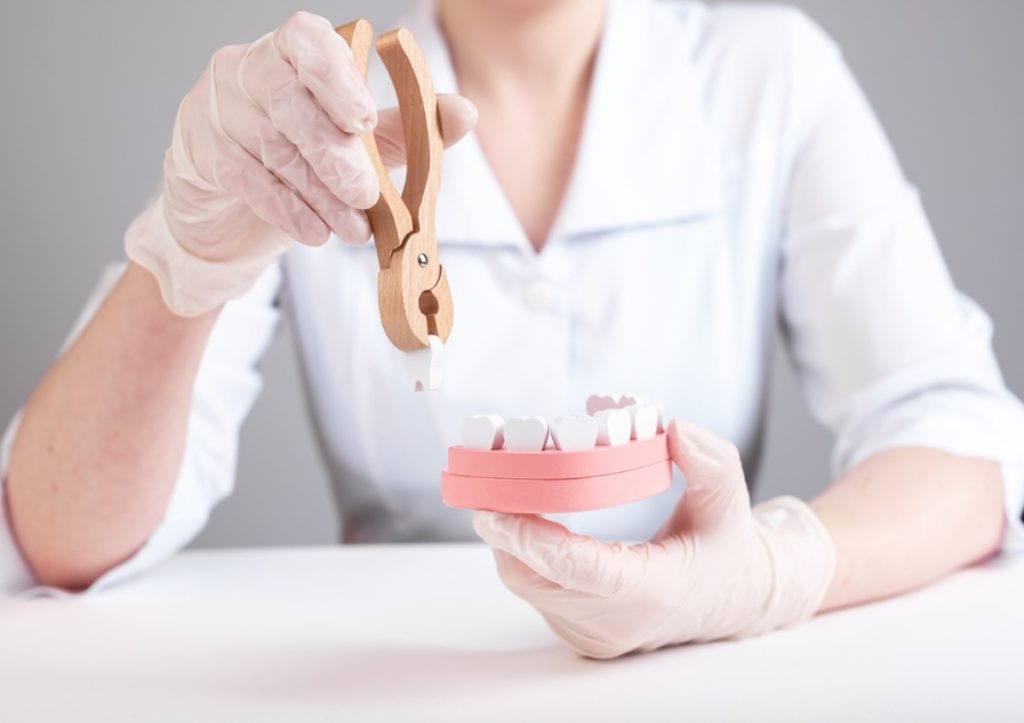
Starting a journey toward a healthier smile often involves simple treatments like cleanings or fillings. However, there are times when a tooth is too damaged to save. If you are looking for a reliable dentist in Vancouver to evaluate your oral health, understanding why an extraction might be necessary is the first step. While the idea of losing a tooth can feel overwhelming, modern dental techniques make the process smooth and comfortable.
Why Do Teeth Need to Be Pulled?
Dentists always try to save your natural teeth whenever possible. However, certain situations make an extraction the healthiest choice for your mouth. The most common reasons include:
- Severe Decay: When a cavity becomes too large, it can destroy the structure of the tooth so much that a filling or crown cannot fix it.
- Gum Disease: Advanced periodontal disease can loosen the tissues and bones that hold your teeth in place.
- Impacted Wisdom Teeth: Sometimes, third molars do not have enough room to grow in properly, causing pain or shifting other teeth.
- Crowding: If you are getting braces, a doctor might remove a tooth to create enough space for your other teeth to align.
- Trauma: Accidents can crack a tooth below the gum line, where it cannot be repaired.
If you are experiencing sharp pain or swelling, searching for tooth extractions near you can help you find immediate relief and prevent the spread of infection to the rest of your body.
Types of Tooth Extractions
Not all extractions are the same. Your dentist will choose the best method based on the tooth’s position.
| Type of Extraction | How It Works | When It Is Used |
| Simple Extraction | The dentist loosens the tooth and removes it with forceps. | For teeth that are visible above the gum line. |
| Surgical Extraction | A small incision is made in the gum to reach the tooth. | For teeth that are broken or haven’t fully grown in. |
What to Expect During the Procedure
Many patients feel nervous about dental surgery, but there is no need to worry. A dentist will use local freezing to ensure you do not feel any pain during the process. You might feel some pressure, but the area will be completely numb. For more complex cases, such as impacted teeth, different levels of sedation are available to help you stay relaxed.
Life After an Extraction: Your Replacement Options
Removing a tooth is only the first part of the process. To keep your jaw strong and your smile straight, consider replacing the missing tooth. If you visit a dental office in Vancouver, they will likely discuss these three main options:
- Dental Implants: These are sturdy metal posts placed in the bone that act like a root for a new artificial tooth. They are the most permanent solution.
- Bridges: This option uses a false tooth that is held in place by the healthy teeth on either side of the gap.
- Partial Dentures: These are removable plates that hold one or more replacement teeth.
Tips for a Quick Recovery
Following your dentist’s instructions is the best way to heal fast. You should rest for the first 24 hours and avoid using a straw, as the suction can disturb the healing site. Stick to soft foods like yogurt, applesauce, or lukewarm soup until you feel comfortable chewing again.
Conclusion
Sometimes, we have to make tough choices with our oral health, but you’re never alone when it comes to this. At Harmony Family Dentistry, we offer expert, gentle care in a soothing environment. We work on your comfort while ensuring your smile remains healthy and functional for years to come. Whether you need a routine check-up or a specialized consultation, we are here to help. To learn more about our services or to discuss your dental needs, please book an appointment with our friendly staff today.
Frequently Asked Questions
Does a tooth extraction hurt during the procedure?
No, dentists use a local anesthetic to numb the area, so you will only feel pressure, not sharp pain.
How long does it take to heal?
Initial healing takes about 1 to 2 weeks, but the underlying bone and gum tissue take longer to recover fully.
Can I drive myself home after?
If you only receive local freezing, you can drive. If you choose general sedation, you must have a ride home.
What can I eat after surgery?
Stick to soft, cool foods like smoothies or mashed potatoes. Avoid crunchy, spicy, or very hot foods for a few days.
Why is a blood clot important?
A clot protects the empty socket and bone. If it dislodges, it causes a painful condition known as dry socket.